

France
Europa
France is a living tapestry of historical elegance, diverse landscapes and an unparalleled passion for the art of living that captivates the senses of any traveler.
Posts about France

THE CANIGÓ
Visit the Canigó mountain in the Pyrenees, a Catalan cultural symbol and majestic summit of Roussillon with deep historical significance.

WHAT TO SEE IN PERPIGNAN
Practical guide to visiting Perpignan, highlighting its residential parking options and bridges crossing the river to the historic center.

THE CAUSSES. ROQUEFORT
Introduction to the Grands Causses Regional Natural Park, a limestone plateau region in Aveyron, highlighting its unique karst landscape.

LES CAUSSES. MILLAU
A tour of the Millau Viaduct, a masterpiece of modern engineering by Norman Foster, and a visit to the village of Peyre by the Tarn river.

TARN GORGES
Excursion through the Tarn Gorges, a spectacular winding canyon with 500-meter cliffs and picturesque villages in the Occitanie region.
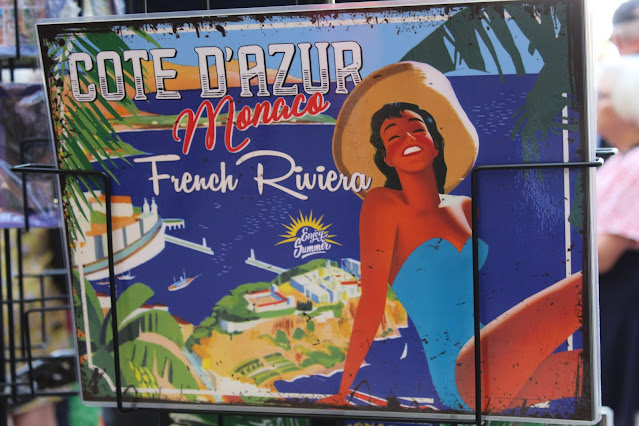
THE FRENCH RIVIERA
Strategy for visiting the French Riviera, France, establishing a base in the medieval town of St. Paul de Vence, ideal for its free area for campers.

VERDON GORGE. BLANC MARTEL TRAIL. NAPOLEON ROUTE
Tour through the Verdon Gorge, France. We detail the routes along the north bank and the impressive ridge route with viewpoints overlooking the abyss.

NANCY - DIJON
Visit to Nancy, France, from Luxembourg. A city noted for its monumental squares, historic gates, and its proximity to WWII sites.

THE BURGUNDY ROUTE
Burgundy route in France. A landscape of rolling vineyards and villages dedicated to viticulture, traveling along secondary roads between Dijon and the vines.

CLUNY - SISTERON - DIGNE LES BAINS - MOUSTIERS
Visit Cluny, France, a large 10th-century abbey complex. Descriptions of its cloisters, the chapter house, and the walls that surrounded the ancient abbey.

ROUEN
Visit to Rouen, France, the city of Joan of Arc. Details on accessing its old town, the Clock Tower, and the banks of the Seine.

SOMME BAY - ARRAS - LILLE
Exploration of the Somme Bay, France. A coast with marshes, medieval villages like Valery sur Mer, and opportunities to see seals in their natural habitat.

LOIRE VALLEY CASTLES
Route through the Loire Valley Castles, France. Palaces built by French kings between the 15th and 18th centuries, highlighting the difference between the Blesois and Touraine.

NANTES - RENNES - DINAN - ST MALO - ST MICHEL
Visit to Nantes, France. The city of Jules Verne with an important botanical garden, a medieval castle, and rich historical heritage.

NORMANDY
Tour of Normandy, France. A countryside region marked by the D-Day landings in 1944, famous for its cheeses, cider, and peaceful landscapes.

LIMOGES - POITIERS
Visit to Limoges and Poitiers, France. Descriptions of their cathedrals, the eveche gardens, and the cozy atmosphere of their historic quarters.

LOT VALLEY
Tour through the Lot Valley, France. Visit to bastide villages like Pujols and Villanueva sur Lot, with its cathedral and arcaded square.

ROCAMADOUR
Visit to Rocamadour, a magical place in France with a sanctuary to the Black Virgin, a key historical destination for pilgrims in the upper part of the valley.

PERIGORD - DORDOGNE VALLEY
Exploration of the Perigord and the Dordogne Valley, France. A region divided by colors (Black, White, Purple, Green) with beautiful medieval villages like Sarlat.

TOULOUSE - ALBI - BRUNIQUEL - MEDIEVAL CITIES
Tour through Toulouse, Albi, and Bruniquel in France. Toulouse, the Pink City, stands out for its Capitole Square and easy pedestrian access through the center.

AUCH / THE GASCON BASTIDES
Visit to Auch, France, home of D'Artagnan. Mention of its old town, the monumental staircase, and the musketeer's historical legacy in the region.

MONTPELLIER - AGDE - NARBONNE
Visit to Montpellier, Nimes, and Agde, France. Montpellier is notable for its compact historic center between the Royal Square and the Comedy Square, near an aqueduct.
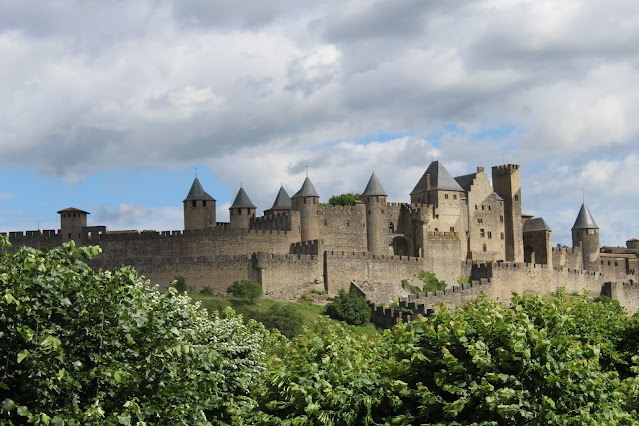
CARCASSONNE
Visit to Carcassonne, France. A walled city crossed by the Aude river, with an impressive medieval citadel accessible via a drawbridge.

CATHAR CASTLES
Route through the Cathar castles in southern France, visiting fortresses like Peyrepertuse and Montsegur, immersed in the history of the Albigensian heresy.

ORANGE - PONT DU GARD - UZES - NIMES
Tour through Orange, Nimes, and Uzès, France. Orange stands out for its Roman theater, one of the tallest and best preserved, in a circular historic core.

MARSEILLE
Arrival in Marseille, France, after a ferry trip. Tour of Cassis, Toulon, and the Calanques, highlighting the beauty of local markets and the fortress.

PROVENCE
Visit to Aix-en-Provence, France. Elegant city linked to the painter Cezanne, with a charming historic center full of boutiques and Provencal atmosphere.

THE CAMARGUE
Exploration of the Camargue, France. A protected area in the Rhone delta, famous for its salt flats, horses, bulls, flamingos, and secluded beaches.
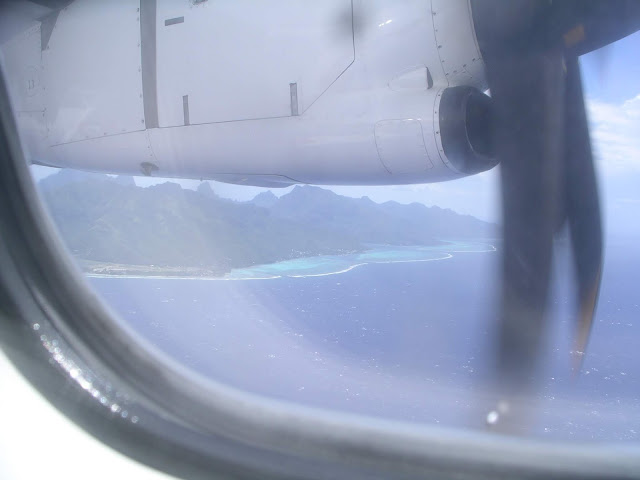
MOOREA
Trip from Tahiti to Moorea, comparing the experience of flying versus the practicality and frequency of the ferries.

HUAHINE
Description of the island of Huahine, highlighting its lush tropical vegetation, its geographical division, and its pristine and authentic character.

BORA BORA
Arrival in Bora Bora on a flight made bumpy by bad weather, mentioning the short distance between islands and the use of the air pass.

RAIATEA-TAHAA
Transfer between Pacific islands using the inter-island air pass, highlighting the arrival in Raiatea and the beauty of its lagoon.

PHOTO ALBUM OF THE SOCIETY ISLANDS
Photo album of the Society Islands: Tahiti, Moorea, Huahine, Raiatea, Bora Bora, and Maupiti. Details about the Papeete market and Polynesian flowers.

TAHITI
Chronicle of the flight to Tahiti from New Zealand, detailing the onboard experience and arrival in the capital, Papeete, in the context of a round-the-world trip.
Introducción
Francia no es simplemente un país; es un estado mental, una celebración constante de la estética y un pilar fundamental de la historia occidental. Desde los callejones medievales de sus aldeas más recónditas hasta los amplios bulevares de París, cada rincón de este territorio irradia un refinamiento que parece haberse detenido en el tiempo. Como el destino turístico más visitado del mundo, Francia ofrece una diversidad geográfica pasmosa: desde las escarpadas cumbres de los Alpes hasta las costas bañadas por el sol del Mediterráneo, pasando por los vastos viñedos de Burdeos y los acantilados de Normandía.
Con una superficie de aproximadamente 551.695 km², el Hexágono (como lo llaman cariñosamente los franceses) es el hogar de cerca de 68 millones de personas que mantienen con orgullo su lengua, el francés, y una moneda compartida, el euro. Si bien es un país de raíces católicas profundas, la Francia moderna se define por su laicidad y una multiculturalidad vibrante que enriquece su tejido social y su oferta cultural cotidiana.
Qué ver
Los iconos de París y más allá
La capital, París, es una cita ineludible. La Torre Eiffel, el Museo del Louvre y la majestuosidad de Notre-Dame son solo el principio de una lista interminable. Sin embargo, el verdadero espíritu de Francia se esconde en su provincia:
- El Valle del Loira: Hogar de castillos de cuento de hadas como Chambord y Chenonceau.
- La Costa Azul: Un refugio de glamour y aguas turquesas en ciudades como Niza y Cannes.
- Mont Saint-Michel: Una maravilla gótica que emerge de las mareas en Normandía.
- Provenza: Famosa por sus campos infinitos de lavanda y los pueblos colgados de las colinas.
Francia es el lugar donde la historia no solo se lee, sino que se camina entre sus adoquines antiguos y sus palacios de espejos.
Gastronomía
La cocina francesa es una religión en sí misma. No se trata solo de nutrición, sino de un ritual social que glorifica el producto de la tierra. Desde la sencillez de una baguette recién horneada hasta la complejidad técnica de un coq au vin, el país ha elevado la gastronomía a Patrimonio Inmaterial de la Humanidad. El respeto por la temporada y el origen local es el secreto detrás de sus famosos quesos, como el Camembert o el Roquefort, y sus vinos de clase mundial.
Experiencias imperdibles para el paladar:
- Degustar una selección de quesos artesanales con una copa de vino tinto de Burdeos.
- Visitar los mercados locales (marchés) para probar la repostería artesana.
- Sentarse en una terraza de café para disfrutar de un croissant y un café au lait mientras se observa el transcurrir de la vida urbana.
Cultura y tradiciones
La cultura francesa es un monumento a la libertad, la igualdad y la fraternidad. Existe una reverencia particular por las artes, la filosofía y la moda que ha influido en todo el planeta. La vida cultural se vive en las salas de cine, los teatros, las librerías independientes y los pequeños museos que salpican cada pequeña población. El pueblo francés valora el tiempo de ocio, la conversación animada y el debate intelectual como componentes esenciales de una vida bien vivida.
Las tradiciones regionales son extremadamente fuertes. Desde las fiestas del vino en Alsacia hasta las celebraciones de la vendimia en el sur, el calendario anual está salpicado de festivales que exaltan el patrimonio local. La cortesía es clave: un simple saludo al entrar en una tienda (Bonjour) es el pasaporte necesario para ser tratado con la mayor amabilidad posible.
Cuándo visitar
Cada estación en Francia tiene su encanto. La primavera, de abril a junio, es ideal para recorrer el campo, pues las flores están en plena eclosión y el clima es templado. El verano, aunque cálido y concurrido en las ciudades grandes, es perfecto para explorar los Alpes o las playas de la costa atlántica. El otoño, especialmente septiembre y octubre, es la época de la vendimia y ofrece colores espectaculares, además de una menor densidad turística.
El invierno tiene su propia magia, especialmente en ciudades como Estrasburgo con sus famosos mercadillos navideños o las estaciones de esquí en los Alpes franceses, que ofrecen algunas de las mejores pistas de Europa. Si se busca tranquilidad, evitar julio y agosto, meses donde los franceses también salen de vacaciones masivamente.
Consejos para el viajero
Para disfrutar de una experiencia auténtica en Francia, la clave está en el ritmo. No intente abarcar demasiado en poco tiempo; el país recompensa al viajero que se toma una tarde entera para explorar un solo mercado o un museo. Utilizar el tren de alta velocidad (TGV) es la forma más eficiente y cómoda de moverse entre las grandes regiones francesas.
- Aprenda algunas frases básicas en francés: Los locales aprecian inmensamente el esfuerzo lingüístico.
- Reserve con antelación: Para atracciones populares, las entradas suelen agotarse meses antes.
- Respete los horarios de las comidas: La mayoría de los restaurantes tienen franjas estrictas para el almuerzo y la cena.
- Explore fuera de las rutas trilladas: Los pueblos pequeños (Les Plus Beaux Villages de France) ofrecen una experiencia mucho más íntima y acogedora.