

Spain
Europa
A peninsula with varied climates, rich gastronomy and an immense historical heritage.
Posts about Spain

WHAT TO SEE IN MEDINACELI
Visit to Medinaceli, a historic walled village on a hill in Soria, highlighting its Roman and medieval monuments and panoramic views of the Jalón valley.

CALTOJAR-The Picasso village. RELLO castle
Description of Caltojar, the 'Picasso village', where urban murals reinterpret the artist's masterpieces as a creative community project.

NUMANTIA
Visit to Numancia, a Celtiberian archaeological site near Soria, known for its historic resistance against the Roman Empire.

CALATAÑAZOR. JUNIPER FOREST AND FONTONA DE MURIEL
Visit to Calatañazor, a medieval Soria village legendary for being the site of Almanzor's defeat, highlighting its traditional architecture and historical essence.

THE RIO LOBOS CANYON
Tour through the Cañón del Río Lobos in Soria, highlighting its unique karst landscape and the natural value of the first protected area in Castile and León.

BURGO DE OSMA. SAN ESTEBAN DE GORMAZ. GORMAZ CASTLE. BERLANGA DE DUERO
Exploration of Burgo de Osma and Berlanga de Duero, highlighting their cathedrals, arcaded architecture, and local Soria gastronomy.

VOZMEDIANO AND ÁGREDA
Visit to Vozmediano and Ágreda, touring the Soria side of the Moncayo and highlighting the arid nature and the landscapes described by Machado.

WHAT TO SEE IN SORIA
A literary walk through Soria, the 'Capital of Poets', walking along the banks of the Duero and visiting the sanctuary of San Saturio.
ASCENT TO MONCAYO
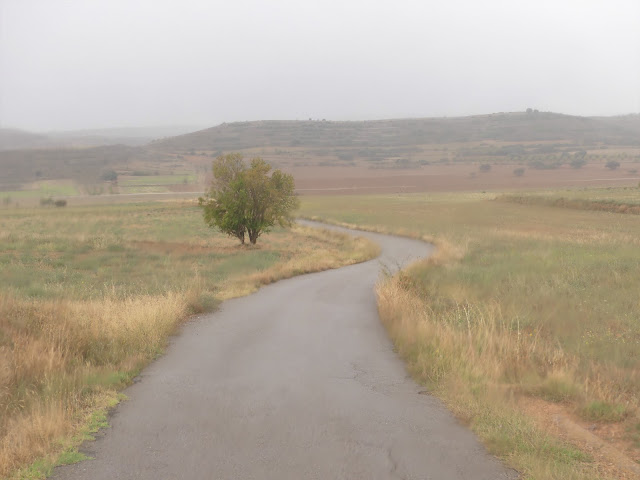
Ascent to Moncayo and tour of its villages, highlighting the relationship with cinema and traditional architecture under the sandstone cliffs.

TARAZONA
Exploration of Tarazona, capital of the Moncayo region, highlighting its Mudejar cathedral, the old polygonal bullring, and the Queiles River.

LEYRE MONASTERY AND CASTLE OF SAINT XAVIER
Visit to the Leyre Monastery, a spiritual and historical center in Navarre, pantheon of the first kings of Navarre in a privileged Pyrenean setting.

SOS DEL REY CATÓLICO
Description of Sos del Rey Católico, a medieval village in Zaragoza, birthplace of King Ferdinand the Catholic and setting for classic Spanish cinema.

OLITE
Visit to Olite, a medieval jewel of Navarre, famous for its impressive Royal Palace-Castle and its historical importance in the Navarrese royalty.

AINSA AND AÑISCLO CANYON
Visit to Aínsa, historical capital of the Kingdom of Sobrarbe, highlighting its medieval old town and its strategic location near national parks.

ORDESA NATIONAL PARK
A practical guide to accessing the Ordesa y Monte Perdido National Park, visiting the town of Torla and its overnight stay and internal transport options.

CANFRANC VALLEY
Exploration of the Canfranc Valley, with its legendary railway station and its value as an international passage to France through the Somport tunnel.

TENA VALLEY (BIESCAS, PANTICOSA, SALLENT) AND JACA
A route through the Tena Valley and Jaca, touring Pyrenean landscapes and highlighting the ease of staying overnight in the Biescas area.

SAN JUAN DE LA PEÑA. SANTA CRUZ DE SERÓS
A visit to the monastery embedded in the rock of San Juan de la Peña, a jewel of Aragonese Romanesque art and a cultural and interpretive center.

ECHO AND ANSO VALLEY
A tour through the Echo and Ansó valleys in Huesca, birthplace of the first Aragonese kings, highlighting their scenic beauty and historical access.

ALQUEZAR. RIO VERO WALKWAYS
Exploration of Alquézar, an Aragonese medieval fortress famous for its walkways over the Vero River canyon and its historic urban layout.

LOS MALLOS DE RIGLOS, MURILLOS DE GÁLLEGO AND AGUERO
A visit to the Mallos de Riglos and the Castillo de Loarre, highlighting these curious geological formations and the best-preserved 11th-century Romanesque fortress.

THE PYRENEAN VALLEYS OF HUESCA
Summary of the Pyrenean regions of Huesca, detailing the geographic distribution and access options to the valleys of Jacetania and Sobrarbe.

WHAT TO SEE IN ZARAGOZA
Tourist guide to Zaragoza, highlighting monuments such as El Pilar, La Seo and the Aljafería, along with a description of its diverse residential neighborhoods.

WHAT TO SEE IN HUESCA
Presentation of the city of Huesca, ancient Roman Osca, highlighting its transport connections and historical value in emblematic battles.

MONASTERIO DE PIEDRA.
Experience at the Monasterio de Piedra, highlighting both its monastic complex and the surrounding natural setting with waterfalls, lakes and caves.

CALATAYUD. ALMUNIA DE DOÑA GODINA
Visit to Calatayud, a city famous for its 'La Dolores' legend and its set of defensive castles on gray sandstone hills.

MOLINA DE ARAGÓN
Exploration of Molina de Aragón, highlighting its impressive fortress-castle, its medieval wall and its historical importance in the Cantar del Mío Cid.

SOURCE OF RIO CUERVO. LOS CALLEJONES
Nature tour to the source of the Cuervo River, including tips on local gastronomy and hiking in the mountain landscapes of Cuenca.

WHAT TO SEE IN CUENCA
Visit to Cuenca, valuing its hanging houses, its medieval upper town and the river walks along the Júcar River.

NOHEDA ROMAN SITE. PLAYA DE CAÑAVARES-HOZ DEL BETETA
Visit to the Roman archaeological site of Noheda, highlighting its exceptional mosaics and the importance of this luxurious 4th-century Roman villa.

ALTO TAJO NATURAL PARK
Tour of the Alto Tajo Natural Park, highlighting the visit to the Roman iron mines and its geological and archaeological richness.

ALBARRACIN. CALOMARDE WALKWAYS
Presentation of Albarracín, a town in Teruel perched on a hill, famous for its traditional architecture and medieval castle.

TERUEL
Visit to Teruel, highlighting its Mudejar splendor with its four iconic towers, the viaduct and the legendary history of the Lovers of Teruel.
THE MAESTRAZGO
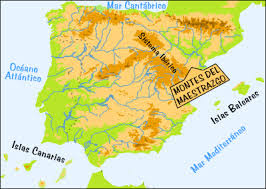
Presentation of the Maestrazgo region in Teruel, highlighting its history linked to military orders and its numerous Templar castles.

RUBIELOS DE MORA and MORA DE RUBIELOS
Tour of Rubielos de Mora and Mora de Rubielos, towns in Teruel famous for their Gothic architecture, towers and local traditions.

TARRAGONA COVES
Visit to Sitges, Spain. Easy access from Barcelona with central parking and a pedestrian historic center full of restaurants and terraces.

EBRO DELTA
Tour through the Ebro Delta, Spain. We describe its virgin beaches, the Fangar lighthouse, and the towns of Deltebre and Sant Jaume d'Enveja.

CISTERCIAN ROUTE
Cistercian Route in Tarragona: a must-visit to the monasteries of Santes Creus, Poblet, and Vallbona de les Monges, combined with natural landscapes.

TARRAGONA
Basic guide to Tarragona: parking in the upper part, tour through the historic center with its gates, cathedrals, and squares full of terraces.

PRADES-MONTSANT NATURAL PARK
Exploring the Prades and Montsant Natural Parks in Tarragona. Route through mountainous landscapes, charming villages, and museums like the Picasso in Horta.

MATARRAÑA
Description of Matarraña, a region in Teruel, Aragon. An area rich in geological formations, medieval castles, and charming towns like Valderrobres and Beceite.
Fotos de España
Ver todas en la galería →


Introducción
España es un lienzo infinito pintado con los colores del Mediterráneo y la sobriedad atlántica. Con una superficie de 505.990 km², este país no es solo un destino, sino una experiencia sensorial que abarca desde las cumbres nevadas de los Pirineos hasta las calas turquesas de las Baleares. Con una población de 47,4 millones de habitantes, la nación se articula a través de una riqueza idiomática asombrosa, donde el español, el catalán, el euskera y el gallego conviven como testimonio de su compleja y fascinante identidad histórica.
Ubicada en el suroeste de Europa, España actúa como un puente entre continentes. La capital, Madrid, late en el corazón geográfico del país, erigiéndose como un epicentro de arte y vida social, mientras que la religión católica ha dejado una impronta arquitectónica y social imborrable, presente en cada catedral gótica y procesión popular que recorre sus empedradas calles. Es tierra de contrastes, donde el ritmo pausado de la siesta convive con la energía incansable de una vida nocturna que desafía al amanecer.
Qué ver
El patrimonio español es una crónica de civilizaciones. Desde las huellas romanas en Mérida hasta la maestría arquitectónica de la Alhambra en Granada, España ofrece un recorrido visual inigualable.
Destinos imperdibles
- Barcelona: La ciudad de Gaudí, donde el modernismo se funde con el mar.
- Sevilla: La esencia del sur, entre naranjos y el esplendor del Real Alcázar.
- Santiago de Compostela: El destino final de peregrinos, donde la piedra húmeda narra leyendas milenarias.
- San Sebastián: La perla del Cantábrico, famosa por su elegancia y su bahía privilegiada.
Viajar por España es recorrer los siglos a través de la piedra, el azulejo y el sol.
Gastronomía
Comer en España es un acto social, una liturgia de sabores que se comparte alrededor de una mesa. La dieta mediterránea es su piedra angular, elevada aquí a la categoría de arte nacional. No existe experiencia más auténtica que el ritual del tapeo: recorrer bares probando pequeñas delicias mientras se conversa con los lugareños en un ambiente vibrante.
Cada región aporta su nota distintiva al conjunto. Desde la paella valenciana, símbolo internacional de la cocina de arroz, hasta el fresco marisco gallego y los contundentes guisos castellanos, España es un edén para el paladar. La calidad de su aceite de oliva, sus vinos con denominación de origen y el jamón ibérico de bellota son los estandartes de una excelencia culinaria que ha conquistado las guías más prestigiosas del mundo.
Cultura y tradiciones
La cultura española se manifiesta en explosiones de color, sonido y fe. Las tradiciones no se heredan, se viven con pasión. El flamenco, declarado Patrimonio Inmaterial de la Humanidad, es la expresión más pura del alma española, capaz de condensar en una sola nota el dolor y la alegría de siglos. En cada feria, romería o festividad popular, España se viste de fiesta.
La diversidad cultural es su mayor riqueza. En Cataluña, la tradición de los castellers desafía la gravedad; en el País Vasco, el deporte rural y la gastronomía de sociedad gastronómicas definen la identidad; y en Galicia, la gaita resuena en un paisaje de brumas y leyendas celtas. Es esta amalgama de identidades lo que hace que España sea un país único en el mundo.
Cuándo visitar
España es un país de clima benigno, pero con marcados matices. La primavera (abril a junio) y el otoño (septiembre a octubre) son, sin duda, los periodos ideales para recorrer las ciudades y el interior, cuando las temperaturas son suaves y la luz del sol embellece cada monumento. El verano es el momento predilecto para los amantes del sol y la playa, aunque las ciudades del interior pueden alcanzar temperaturas muy elevadas.
Para los entusiastas del esquí, los Pirineos y Sierra Nevada ofrecen excelentes condiciones durante los meses invernales. Si buscas evitar las multitudes, el invierno en el sur es sorprendentemente agradable, permitiendo disfrutar de la riqueza histórica sin el bullicio estival. En cualquier caso, el calendario de fiestas locales es tan amplio que siempre encontrarás una excusa para visitar este país en cualquier época del año.
Consejos para el viajero
Viajar por España es sencillo pero requiere adaptarse al ritmo local. El horario de comidas suele ser más tardío que en el resto de Europa; es común almorzar hacia las 14:00 y cenar después de las 21:00. Aprender unas palabras básicas en el idioma local de la región que visites será siempre recibido con una sonrisa y facilitará el contacto con los residentes.
- Utiliza la red de trenes de alta velocidad (AVE) para desplazamientos rápidos entre las principales ciudades.
- Reserva con antelación las entradas a monumentos icónicos como la Alhambra o la Sagrada Familia para evitar largas esperas.
- La moneda es el euro (€); las tarjetas de crédito son aceptadas en casi todos los establecimientos, aunque es útil llevar algo de efectivo para pequeños comercios.
- No olvides protegerte del sol, especialmente si viajas hacia el sur, incluso fuera de los meses estivales.
Gallery

