

Italy
Europa
Italy is an eternal mosaic of art, history and Mediterranean landscapes that captivates the senses with its unparalleled beauty and its passion for life.
Posts about Italy

THE GORROPU CANYON
An excursion to the Gorropu Canyon in Sardinia, detailing the access by hiking and the logistics for transport in the Supramonte National Park.

THE EAST COAST OF SARDINIA
A tour along the east coast of Sardinia, visiting Arbatax, its unique reddish rocks, and accommodation recommendations in the area.

THE ISLAND OF SANT'ANTIOCO.
Exploring the island of Sant'Antioco, highlighting Punic sites, underground dwellings, and the richness of its coves and coastal landscapes.

TINNURA and BOSA
A visit to the towns of Tinnura and Bosa, famous for their colorful street murals that portray everyday scenes and abstract Sardinian themes.

WHAT TO SEE IN ALGHERO
An introduction to Alghero in the northwest of Sardinia, highlighting its Catalan-Aragonese past reflected in its architecture and the local use of the Algherese Catalan.

CASTELSARDO. COSTA PARADISO. CAPO TESTA. SANTA TERESA GALLURA
A tour through Castelsardo and Costa Paradiso, emphasizing local gastronomy with Sardinian gnocchi and fish, along with traditional accommodation recommendations.
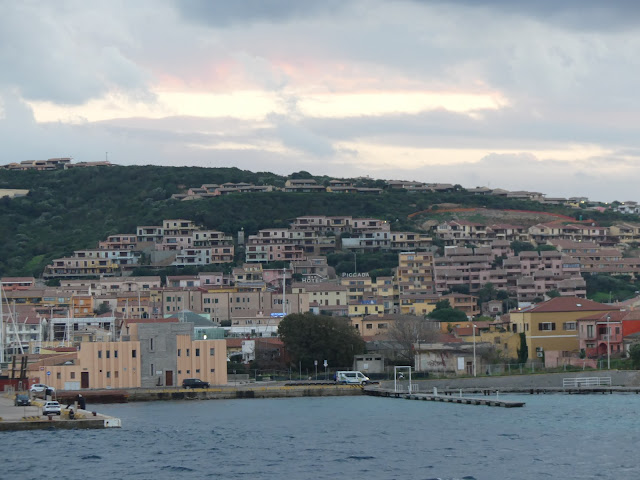
MADDALENA ARCHIPELAGO - SARDINIA
Practical information for embarking from Palau to the Maddalena Archipelago, highlighting the ease of connection and frequency of transfers.

PORTO CERVO. OLBIA. GALTELLI
A visit to Porto Cervo and Arzachena on the east coast of Sardinia, commenting on the exclusive nature of the vacation areas and their megalithic monuments.

THE TRADITIONAL SUPRAMONTE VILLAGES: OLIENA. ORGOSOLO
Exploring the Sardinian interior through the towns of Oliena and Orgosolo, highlighting Nuragic archaeology, circular towers, and giants' tombs.

SARDINIA
Geographic and historical context of the island of Sardinia, highlighting its ancestral names, its location in the Mediterranean, and its distinct Sardinian identity.

WHAT TO SEE IN CAGLIARI
A visit to Cagliari, the capital of Sardinia, describing its historical districts like Castello and Marina, its lagoon nature, and the presence of pink flamingos.

THE SOUTHERN COAST OF SARDINIA
Itinerary through southern Sardinia, highlighting the Roman ruins of Nora, the archaeological museum of Pula, and the beauty of the southern coast and the village of Chia.
SANT'ANTIOCO ISLAND
A second review of the island of Sant'Antioco, emphasizing its historical richness, peculiar beaches, and unique cultural visits found in the town.

THE IGLESIENTE COAST, THE COSTA VERDE, AND THE GULF OF ORISTANO
A route along the west coast of Sardinia through the mining region of Iglesiente, describing the pristine coastal landscape and its extensive white sandy beaches.

LAKE GARDA
Introduction to Lake Garda, the largest in Italy, highlighting its mountainous surroundings and the beauty of the picturesque villages that surround it.

WHAT TO SEE IN PAVIA
Exploration of Pavia, a historical Lombard city famous for its centuries-old university and its relevance in battles against the Empire of Charles V.

WHAT TO SEE IN TURIN
Visit Turin, highlighting its street market, the architecture of its galleries, and the tradition of Bicerin coffee at Piazza della Consolata.

WHAT TO SEE IN MERANO
Visit to Merano and Glurns in the South Tyrol region, Italy. It highlights the walled beauty of Glurns and the route from the Swiss border through the Stelvio National Park.

WHAT TO SEE IN BOLZANO
Visit to Bolzano. Highlights include the walk from Roncolo Castle to the center and the recommendation to use the local bus due to difficult parking in the city.
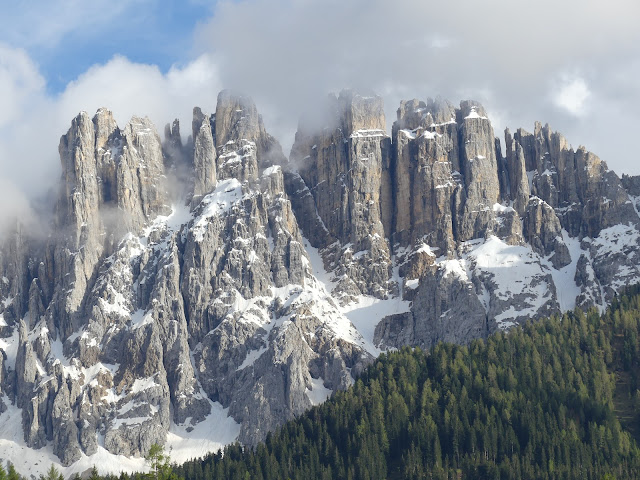
THE DOLOMITES
Facing the Dolomites, the spectacular mountainous region of northeastern Italy. Its peaks, mountain passes, valleys, and emblematic lakes like Carezza and Misurina are detailed.

WHAT TO SEE IN TRENTO
History of Trento, a city in the heart of the Italian Tyrol. It describes its legacy from prehistoric times, through Roman rule and its peak under the prince-bishops.

WHAT TO SEE IN FELTRE, PORDENONE, BELLUNO
Tour through Feltre, Pordenone, and Belluno. It highlights the architecture of Feltre with its small palaces on the ascent to the main square, reflecting the charm of northern Italy.

WHAT TO SEE IN UDINE
Visit to Udine. It highlights the Piazza della Liberta with its Renaissance palaces and the castle, key elements of this city in northeastern Italy.
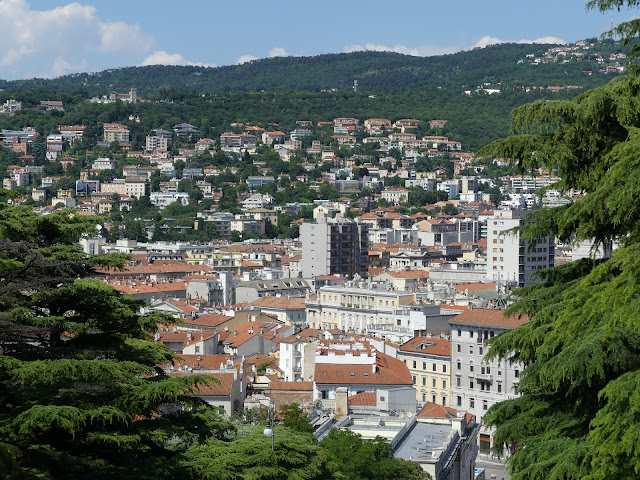
WALKING THROUGH TRIESTE
Quick excursion to Trieste, Italy, from Slovenia. Highlights the monumental cathedral complex and the castle on the hill, with impressive views.

NAPLES
Basic guide on what to see and do in Naples, including the old Spaccanapoli neighborhood, iconic churches, and views from Castel Sant'Elmo on Vomero hill.

GARGANO PENINSULA
Car journey from Pompeii to the Gargano Peninsula crossing Italy. Strategic stops in Troia and Lucera and the challenges of driving in the area are mentioned.

POMPEII
Visit to the ruins of Pompeii starting from Sorrento. The text highlights the current life of the town of Pompeii and the Sanctuary of the Madonna of the Rosary next to the archaeological site.

AMALFI COAST
Experience traveling the Amalfi Coast during February. The advantage of the low season, ease of parking, and driving on its narrow roads without congestion are highlighted.

BASILICATA
Description of the Basilicata region, marked by its mountainous and rugged orography. The difficulty of its regional roads during the journey from Gravina in Puglia to Potenza is noted.

HEEL OF ITALY
Tour of the Apulia region, passing through cities like Lecce and Brindisi. Brindisi's importance as a historic port and point of connection with Greece is highlighted.

ISTRIA VALLEY
Chronicle of a getaway to southern Italy arriving at Bari airport. Logistics such as car rental and driving on local infrastructure are detailed.
Fotos de Italia
Ver todas en la galería →


Introducción
Italia no es simplemente un país; es un museo al aire libre que se extiende desde los Alpes nevados hasta las costas bañadas por el sol del Mediterráneo. Conocida como el Bel Paese, esta península ha sido el corazón palpitante de la civilización occidental durante milenios. Desde las ruinas del Imperio Romano hasta los palacios renacentistas de Florencia y la elegancia decadente de Venecia, Italia ofrece una experiencia de viaje inmersiva donde cada rincón cuenta una historia de grandeza. Con una población de aproximadamente 59 millones de habitantes y una superficie de 301.340 km², Italia logra el equilibrio perfecto entre su patrimonio arqueológico y una modernidad vibrante que se manifiesta en su moda, diseño y estilo de vida inconfundible.
Qué ver
La riqueza monumental de Italia es tan vasta que resulta abrumadora para cualquier visitante. Roma, la Ciudad Eterna, actúa como epicentro histórico con el Coliseo y el Foro Romano, donde las sombras de los antiguos césares aún parecen caminar entre las columnas. Hacia el norte, Florencia, la cuna del Renacimiento, alberga la cúpula de Brunelleschi y la Galería Uffizi, tesoros que definieron el arte europeo. Venecia, por su parte, desafía la gravedad con sus canales románticos y la majestuosidad de la Plaza de San Marcos. No debemos olvidar el sur: la Costa Amalfitana ofrece acantilados que se precipitan sobre un mar turquesa, mientras que Sicilia nos regala templos griegos perfectamente preservados bajo la mirada vigilante del volcán Etna.
Destinos imprescindibles
- La Costa Amalfitana y sus pueblos verticales.
- Los viñedos infinitos de la Toscana.
- Los lagos del norte como el Como o el Garda.
- La fascinante y caótica Nápoles.
Italia es un sueño del que uno nunca quiere despertar, donde la historia se toca y el arte se respira en cada piazza.
Gastronomía
Comer en Italia es un acto de devoción. La cocina italiana es un testimonio de la simplicidad y la calidad de los ingredientes locales. Cada región defiende con orgullo sus tradiciones: el norte prefiere la mantequilla y las pastas frescas al huevo, mientras que el sur celebra el aceite de oliva virgen extra, el tomate y los mariscos frescos. La pizza napolitana, con su masa elástica y sus bordes inflados, es patrimonio mundial, pero descubrir la carbonara original en Roma o el pesto genovés recién preparado es una experiencia que trasciende lo culinario.
No se puede hablar de gastronomía sin mencionar sus vinos, pilares de la cultura social italiana. Desde los tintos con cuerpo del Chianti hasta los espumosos Prosecco del Véneto, existe un maridaje perfecto para cada plato. El ritual del aperitivo al atardecer, acompañado de un Spritz o un Negroni, es el momento en que la vida italiana se ralentiza para disfrutar de lo esencial.
Cultura y tradiciones
La cultura italiana está profundamente arraigada en el catolicismo, con el Vaticano como enclave espiritual dentro de Roma, aunque también es una nación que celebra la vida secular con una intensidad casi teatral. La tradición del diseño y la moda está presente en el estilo impecable de sus habitantes, incluso en las ciudades más pequeñas. Las fiestas patronales, procesiones y mercados locales mantienen viva una identidad regional muy marcada; un veneciano se siente distinto a un siciliano, y esta diversidad es precisamente lo que hace a Italia un país inagotable.
La ópera, el cine neorrealista y la arquitectura barroca han moldeado un carácter nacional que valora la belleza sobre todas las cosas. La importancia de la familia y el tiempo dedicado a la convivencia en la mesa son pilares inamovibles de la sociedad. La hospitalidad italiana no es una pose, sino una forma de entender la existencia basada en el piacere di vivere.
Cuándo visitar
El clima mediterráneo de Italia permite visitas durante casi todo el año, pero la experiencia varía drásticamente según la temporada. La primavera (abril a junio) es, posiblemente, la mejor época, con temperaturas suaves y paisajes florecidos, ideal para recorrer los pueblos de la Toscana sin el calor sofocante del verano. El otoño (septiembre y octubre) ofrece la vendimia, colores dorados y una luz nostálgica que hace que ciudades como Florencia y Roma parezcan cuadros vivientes.
El verano (julio y agosto) es vibrante pero caluroso y muy concurrido. Si decide viajar en estas fechas, diríjase a la costa o a las montañas de los Dolomitas. El invierno es ideal para aquellos que buscan museos sin aglomeraciones y la atmósfera acogedora de las ciudades del norte, especialmente durante la época navideña, aunque el clima puede ser frío y húmedo en muchas regiones.
Consejos para el viajero
Italia se disfruta mejor sin prisas, dejando espacio para el imprevisto. Es vital recordar que los horarios de las tiendas suelen variar y muchas cierran durante la siesta, especialmente en el sur. El tren es el mejor medio de transporte para conectar ciudades principales; la red de alta velocidad (Frecciarossa) es excelente y eficiente.
- Aprenda frases básicas en italiano; el esfuerzo es muy apreciado por los lugareños.
- Valide siempre su billete de tren antes de subir, es un error común que conlleva multas.
- Busque los restaurantes frecuentados por locales en calles secundarias lejos de las zonas turísticas.
- El agua de las fuentes romanas es potable y fresca, lleve siempre su propia botella reutilizable.
Finalmente, mantenga una actitud abierta. Italia es un país con una personalidad fuerte y a veces caótica, pero es precisamente esa autenticidad lo que lo convierte en el destino más amado del mundo. Disfrute de la belleza, coma bien y deje que el ritmo pausado del Bel Paese le transforme.